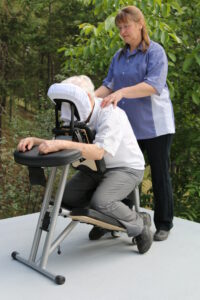
Recovering from a stroke can be a long and often frustrating journey, but supportive therapies like regular massage can play a meaningful role in the healing process. While massage is not a replacement for medical care or rehabilitation, it can complement traditional treatments and help improve overall well-being.
After a stroke, many people experience muscle stiffness, weakness, or limited mobility, especially in the arms and hands. Gentle, regular massage in these areas can help reduce tightness and improve flexibility. The hands and fingers, which are often affected by reduced coordination or spasticity, may benefit from careful stretching and soft tissue work. This can make it easier to perform everyday tasks like holding utensils, buttoning clothing, or writing. Better blood flow brings oxygen and nutrients to affected tissues, which may support the body’s natural recovery processes.
Massage can also help reduce pain and discomfort. Post-stroke pain—sometimes caused by muscle tension or nerve sensitivity—can make daily activities more difficult. Regular sessions may ease this discomfort, making it easier for individuals to participate in physical therapy and regain movement.
Beyond the physical benefits, massage offers important emotional support. Stroke recovery can be stressful and emotionally taxing, sometimes leading to anxiety or depression. The calming nature of massage helps promote relaxation, reduce stress hormones, and improve mood. Human touch itself can be incredibly reassuring, helping individuals feel more connected and cared for during recovery.
Another benefit is improved body awareness. After a stroke, it can be difficult for some people to sense or control parts of their body. Massage can gently stimulate the nervous system, helping the brain reconnect with affected areas over time.
When used alongside medical treatment and rehabilitation, regular massage can be a safe, comforting, and beneficial addition to stroke recovery—helping people feel better, move more freely, and regain a sense of control in their healing journey.