May is Multiple Sclerosis month! Check out mscanada.ca website.
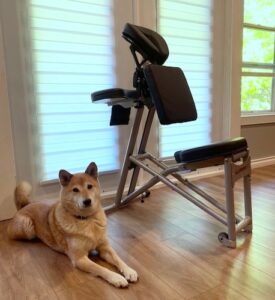
Living with multiple sclerosis (MS) often feels like managing an unpredictable storm of symptoms, where muscle tightness, chronic pain, and profound fatigue can disrupt daily life. While conventional medicine focuses on modifying the disease course, many patients are turning to complementary therapies to manage their day-to-day well-being. An increasingly popular and non-invasive tool for symptom management is regular chair massage. Unlike traditional table massage, chair massage is convenient and accessible, targeting the back, neck, shoulders, and arms while the client remains seated and fully clothed.
One of the most significant benefits of regular chair massage for MS is the reduction of muscle spasticity, a common symptom where muscles contract involuntarily, causing stiffness and discomfort. The focused kneading and compression techniques used during a chair massage help to relax these tight muscles and improve overall flexibility. By regularly easing this tension, individuals often experience enhanced mobility, making it easier to perform everyday tasks.
Furthermore, chair massage is an effective tool for combating fatigue and improving circulation. Over 80% of people with MS experience debilitating fatigue. While it may seem counterintuitive, the physical stimulation of a massage can boost energy levels by increasing blood flow and improving circulation throughout the body. Enhanced circulation aids in reducing swelling and brings oxygen-rich blood to tissues, which can leave an individual feeling more energized and less physically sluggish.
Beyond the physical benefits, regular massage is essential for managing the mental and emotional toll of a chronic disease. Fatigue and stress are major factors in MS, frequently compounding other symptoms and triggering flare-ups. The calming, therapeutic nature of a chair massage helps reduce anxiety and promotes a deep sense of relaxation, lowering stress levels. This, in turn, can help lower cortisol levels and release endorphins, which act as natural pain relievers and mood boosters.
Finally, chair massage offers a level of accessibility that traditional methods may lack. It is a practical form of self-care for those with mobility issues or wheelchair users, as it removes the physical requirement of transferring onto a high massage table. A session lasting only fifteen to thirty minutes is often sufficient to reap significant benefits without overwhelming the body’s sensory system.