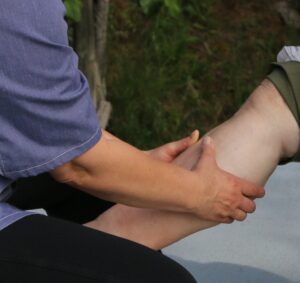
Massage therapy can be an effective, supportive treatment for people dealing with tendonitis, a condition caused by irritation or inflammation of a tendon. Although tendonitis can occur anywhere in the body, it most often affects the elbows, shoulders, knees, wrists, and heels—areas that work hard during repetitive motions. When a tendon becomes overworked, tiny micro-tears develop, which lead to pain, stiffness, and reduced mobility. Massage can help address several of the underlying contributors to these symptoms, offering both relief and improved function.
One of the primary benefits of massage for tendonitis is increased circulation. When a therapist applies gentle, targeted pressure to the surrounding muscles and soft tissues, blood flow to the affected area improves. This enhanced circulation brings in oxygen and nutrients that support healing, while helping remove metabolic waste products that can build up and contribute to inflammation. Better blood flow can speed recovery and reduce the overall level of irritation in the tendon.
Massage also helps release muscle tension in the tissues surrounding the injured tendon. Often, when a tendon is inflamed, the nearby muscles tighten in response, creating even more strain on the area. Techniques such as myofascial release, effleurage, and cross-fiber friction can loosen tight muscles, improve range of motion, and reduce the mechanical stress placed on the tendon during movement.
Another important aspect of massage is its effect on the nervous system. Tendonitis frequently leads to protective guarding—where the body tenses up to shield the painful area. Massage encourages relaxation, decreases pain sensitivity, and interrupts the cycle of tension and inflammation. This can make everyday movements more comfortable and support a more natural healing process.
While massage is not a stand-alone cure for tendonitis, it can be an excellent complementary therapy when combined with rest, stretching, and proper activity modification. For many people, incorporating massage into their recovery plan can lead to faster healing, improved mobility, and meaningful relief from persistent discomfort.